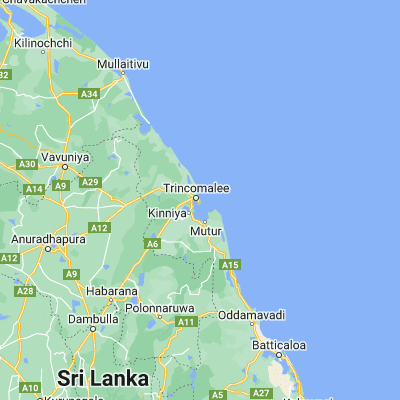
Trincomalee is a coastal city in the Eastern Province of Sri Lanka.Trincomalee, ancient Gokanna, town and port, Sri Lanka, on the island’s northeastern coast.It is situated on a peninsula in Trincomalee Bay formerly called Koddiyar (meaning “Fort by the River”) Bay one of the world’s finest natural harbours.It is famous for its natural harbour, beautiful beaches, and historical sites like the Koneswaram Temple.It is home to one of the largest natural harbours in the world -The Trincomalee Harbour- and has beeen an important location for trade,religion,and defense for centuries.Visitors can enjoy the peaceful beaches, explore historical sites, and experience the local culture.Trincomalee is also a popular tourist destination know for whale watching,snorkeling,and cultural heritage.Trincomalee is a gem of the EastCoast,offering natural beauty, religious significance, and historical charm.
About Trincomalee District
Trincomalee is a port city on the east coast of Sri Lanka. The Bay of Trincomalee's harbour is renowned for its large size and security; unlike every other in the Indian Sea, it is accessible to all types of craft in all weathers. The beaches are used for surfing, scuba diving, fishing and whale watching. The city also has the largest Dutch fort in Sri Lanka. It is home to major Sri Lankan naval bases and a Sri Lankan Air Force base. Most of the Tamils and Sinhalese believe that this place is sacred to them and they are the indigenous people of the area. Trincomalee and its environs have both Hindu and Buddhist sites of historical importance. These sites are sacred to the Hindus and Buddhists.
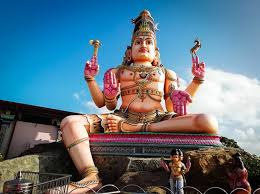
Koneswaram Temple
The main attractions of Koneswaram, a significant Hindu temple in Sri Lanka, are its sculptures and architecture. This temple is distinctive because of the black granite sculptures and the gold-plated towers. The construction methods and materials used date back to the Middle Ages, and the property retains many of its original characteristics. Each year, hundreds of tourists from domestic and foreign locations go to the temple to see these artefacts and architectural features, giving it a unique appearance. This temple is one of Lord Shiva’s abodes, and every part of it has a strong connection to Hindu culture (Pancha Ishwaram). It also includes a portion of Sri Lanka. In addition, this temple became more notable and appealing on this island thanks to the modifications and enhancements made by the Dutch and British colonial overlords in response to the Portuguese damage.
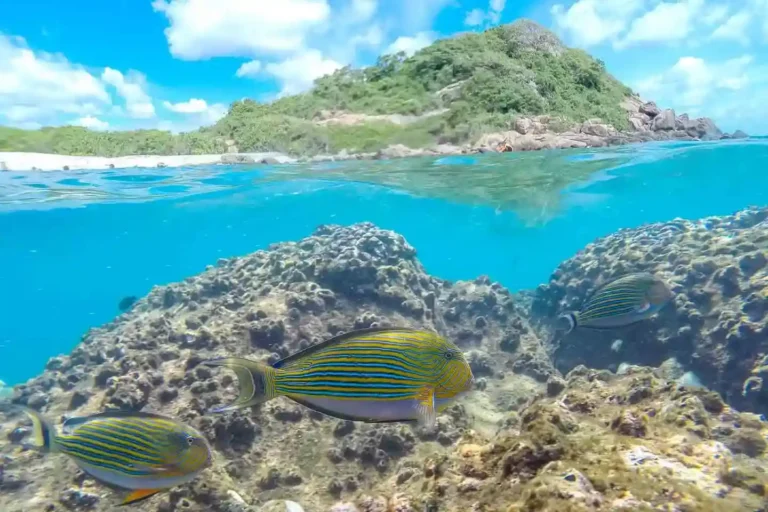
Pigeon Islannd
The Pigeon Island National Park, located in Trincomalee, is one of the newer parks in the island, and has quickly become one of the more popular parks in the country. Declared a national park in 2003, the nature reserve consists of two islands that are connected by corals, and is home to a myriad of marine species, as the 100 or so coral species surrounding the island proves to be a perfect habitat for several marine species. Although sprawling with rare and endemic marine life, the islands were once used as a shooting range during the Second World War.The name Pigeon Island has come about after the hundreds of endemic Blue Rock Pigeons that inhabit the island. It is situated in the Eastern Province, north of Trincomalee, one kilometer off the Nilaveli coast; a stretch of beach known as the most beautiful in the island.
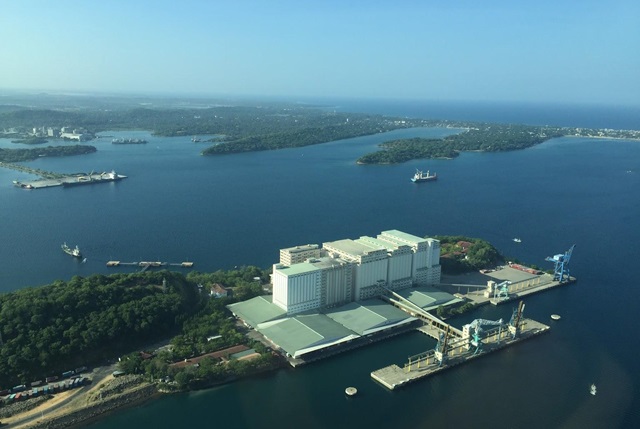
Trincomalee Harbour
Trincomalee has long been renowned for containing one of the finest deep-water natural harbours found anywhere in the world! It was famed even during ancient times when the civilization was just starting to flourish here in Sri Lanka. In fact, during the Anuradhapura period, the harbour was visited by some of the most notable figures in world history – this included the intrepid explorer Marco Polo and the celebrated Greek geographer Claudius Ptolemy! Trincomalee Harbour also served as a vital travel stop for ships sailing from the East to West. There are numerous records and archaeological evidence that suggest traders from China, India, Burma and a number of other regions regularly visited and passed through the harbour.
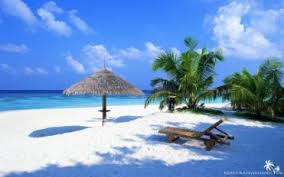
Nilaveli Beach
Nilaveli to the north of Trincomalee is one of Sri Lanka’s longest sandy beaches. After the civil war, it has become a major tourist destination, particularly for beach holiday makers who come to Sri Lanka during the northern summer months, as this is dry season at Sri Lanka’s East Coast.Nilaveli is a suburb of the Trincomalee, situated 16 km north of the city centre. In contrast to the village of Uppuveli, which is in between Trinco and Nilaveli, the latter is a dispersed settlement area. The 6 km long beach of Nilaveli is without bars and restaurant, hotel areas are scattered up. The best hotel is Nilaveli Beach Hotel. The main attraction is the 6 km long beach with pure white sand.
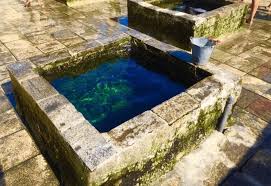
Kanniya Hot Water Springs
Kanniya hot water springs are a peculiar attraction located in Trincomalee, Sri Lanka which defies the laws of nature. The site is composed of seven wells that are three to four feet deep. What makes these wells unique is that each of the wells has water that slightly varies in temperature from one another. This natural phenomenon baffles geologists and although it is believed that this is due to geothermal activity beneath the springs, to date there are no proven theories as to how and why the temperature varies from well to well. There are popular legends and folklores woven around this natural wonder and one of them is that the hot springs appeared as the all-powerful king Ravana, the antagonists of the Hindu epic Ramayana, struck the earth with his sword bereaved by the death of his mother.
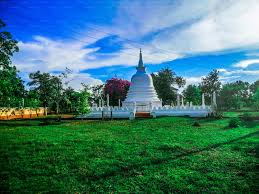
Velgam Vehera
Velgam Vehera, situated near Trincomalee, is known as Natanar Kovil to Tamil Hindus. It belongs to the village of Kanniyai, which is otherwise famous for its hot wells. The rarely visited ruins of Velgam Vehera are remarkable as rare example of remnants from the Chola occupation of Sri Lanka. The history of this specific Buddhist temple contradicts a widespread opinion among Sri Lankans, shared by many others who believe in deep-rooted religious antagonisms, that the Cholas, who were Tamil Hindus from mainland India, systematically destroyed Buddhist heritage when conquering Sri Lanka. On the contrary, in Velgam Vehera they restored a Buddhist temple. Presumably, the reason was the existence of a highly influential Buddhist minority among Tamil seafarers and merchants.
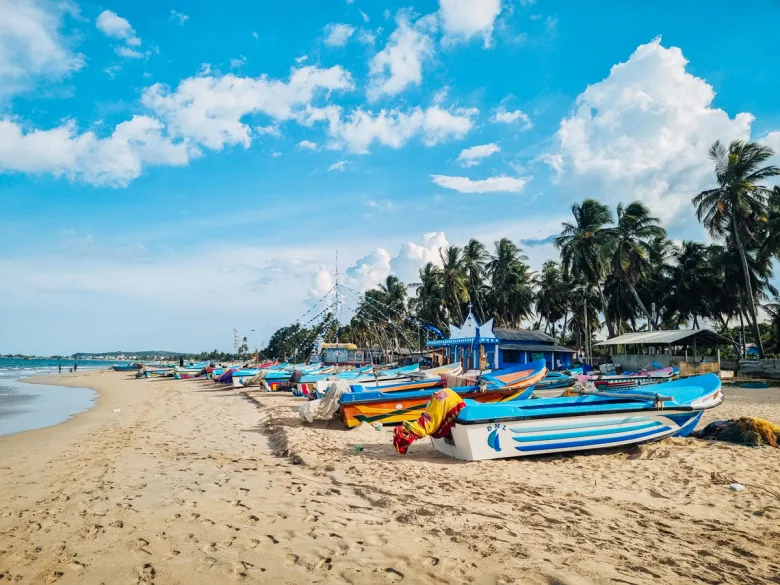
Uppuveli Beach
Uppuveli Beach is a popular coastal town and beach in Trincomalee, Sri Lanka, known for its golden sand, calm waters, and tropical environment. It is a popular destination for tourists, offering a range of activities like whale watching, snorkeling at Pigeon Island, and relaxing, with the best conditions typically from April to October. While a beautiful and tranquil spot, visitor experiences have noted some inconsistencies in beach cleanliness and the presence of stray dogs and cows. The Uppuveli Beach, on the other hand, is relatively smaller but still thrives in many water sports activities. One such unique activity you could engage in, is deep sea diving, as the far outreaches of the beach is known to have many shipwrecks that date even before European colonisation.